



With the first concrete details about the next generation of Apple devices now available, many are asking the crucial question: Is it worth switching to the new iPhone 18 Pro? To find out whether the upgrade is worth it, we’re directly comparing Apple’s new flagship with its two predecessors. We’re putting all three generations through their paces to determine exactly where the hardware differences are truly noticeable in everyday use.
The Camera: Why the iPhone 18 Pro's Variable Aperture Makes All the Difference
For most pro users, the camera system is the main reason to upgrade. When it comes to the With its upcoming flagship model, Apple is taking mobile photography to a new level by incorporating high-resolution sensors across the board for the first time, paired with mechanical lens technology.
The absolute highlight of the 48-megapixel main camera is the new mechanically adjustable, variable aperture. While the iPhone 16 Pro and 17 Pro use a fixed aperture (f/1.78), the iPhone 18 Pro physically adjusts the aperture opening to suit the environment. In low light, the aperture opens wide for maximum light intake and low-noise low-light shots. In bright daylight, it closes slightly, ensuring razor-sharp details across the entire image and a natural, optical depth of field without artificial software effects.
The ultra-wide-angle camera, which also has 48 megapixels, allows you—just as with the sharp macro shots and full-resolution landscape photos compared to its immediate predecessor. This represents a significant leap in quality over the iPhone 16 Pro’s 12-megapixel sensor. The telephoto camera’s 5x optical zoom also utilizes 48 megapixels. While the 16 Pro still relies on 12 megapixels here, the 18 Pro continues to feature the high-resolution telephoto sensor introduced with the 17 Pro.
When it comes to selfies and video calls, the iPhone 18 Pro offers 24 megapixels—double the resolution of the iPhone 16 Pro. This standard was already established with the iPhone 17 Pro and delivers noticeably greater detail in hair, skin texture, and light and shadow, resulting in a more vibrant overall image.
Conclusion on the camera comparison: With its 48-megapixel main camera and 5x zoom, the iPhone 16 Pro already offers a solid foundation. The iPhone 17 Pro primarily improves upon the secondary sensors and the selfie camera. The iPhone 18 Pro continues this consistently high resolution and, for the first time, adds a mechanical variable aperture to the main camera, which makes a noticeable difference for demanding photography.
Performance & Battery Life: From the A18 Pro to the A20 Pro, Built on a 2nm Process

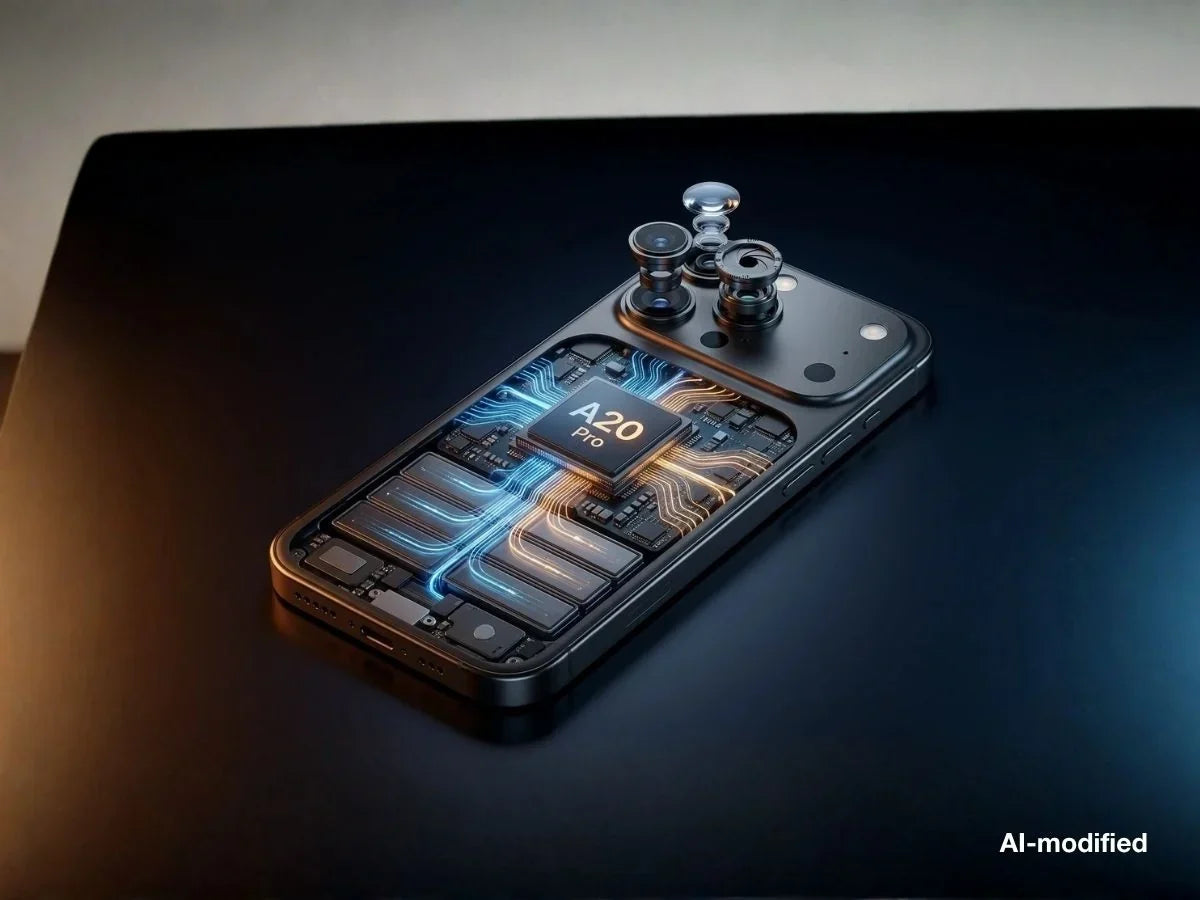
Even beyond the camera, the hardware is making noticeable leaps forward. While the iPhone 16 Pro, with its 3-nanometer A18 Pro chip and 8 gigabytes of RAM, is slowly reaching its limits when handling complex AI tasks, the iPhone 17 Pro—with its A19 Pro chip and up to 12 gigabytes of RAM—already offers more multitasking power. Finally, the iPhone 18 Pro takes the decisive next step with the A20 Pro, built using the cutting-edge 2-nanometer process. Combined with 12 gigabytes of RAM as standard, it processes Apple Intelligence at lightning speed and entirely locally, right on the device.
This efficiency is immediately apparent in terms of battery life. Thanks to denser cell chemistry and the power-efficient 2nm processor, the iPhone 18 Pro lasts significantly longer than older generations, even during long photo sessions using the variable aperture or computationally intensive AI applications.
Performance and Battery Life at a Glance: Users upgrading from the iPhone 16 Pro will experience a massive performance boost in everyday use thanks to the transition from 3nm to 2nm, the expanded 12 gigabytes of RAM, and the new battery chemistry. For those upgrading from the iPhone 17 Pro, the improvements are most noticeable in the optimized on-device AI processing and noticeably longer battery life.
Display, Design, and Price: What's Changing in Terms of Appearance and Cost?
Last but not least, it’s worth taking a look at the overall design and the price tag. The Pro series retains its elegant titanium case, but the new flagship stands out with even narrower bezels around the screen. All three Pro models share the same 6.3-inch screen size. However, Apple has significantly increased the peak brightness on the latest model, which makes it much easier to read the screen in direct sunlight.
The price trend is even more interesting, as the curve for the version with 256 gigabytes of storage shows a significant upward trend. The iPhone 16 Pro starts at 1,199 euros. The price of its immediate predecessor has already climbed to 1,299 euros. Estimates for the latest top-of-the-line model put the price at a whopping 1,499 euros or more. The expensive components for the mechanical camera and the high-performance chip are simply taking their toll here.
Conclusion on Design and Price: Visually, the new premium model offers subtle improvements in detail and a noticeably brighter screen. Financially, however, the revolutionary technology comes at a premium, as the purchase price is significantly higher than that of its predecessors.
An Overview of the Three Generations
| Feature / Hardware | iPhone 16 Pro | iPhone 17 Pro | iPhone 18 Pro |
|---|---|---|---|
| Main Camera Aperture | Fixed aperture (f/1.78) | Fixed aperture (f/1.78) | Mechanical variable aperture |
| Camera Details | 48 MP Main / 48 MP Underwater / 12 MP Telephoto | 48 MP Main / 48 MP Underwater / 48 MP Telephoto | 48 MP Main / 48 MP Underwater / 48 MP Telephoto |
| Front-facing camera | 12 megapixels | 24 megapixels | 24 megapixels |
| Display & Design | 6.3 inches (Titanium) | 6.3 inches (thinner bezels) | 6.3 inches (Max. brightness & thinnest bezels) |
| Processor & Process | A18 Pro (3 nm) | A19 Pro (3 nm) | A20 Pro (2 nm) |
| Random Access Memory (RAM) | 8 GB of RAM | 8 GB / 12 GB RAM | 12 GB of RAM (Local Apple Intelligence) |
| Housing | Titanium | Titanium | Titanium (New: Dark Cherry) |
(256 GB) MSRP |
Starting at 1,199 euros | Starting at 1,299 euros | Expected to start at 1,499 euros |
Conclusion & Recommendation: Who Should Consider the Upgrade?

The upgrade from the iPhone 17 Pro to the iPhone 18 Pro is especially worthwhile for photography enthusiasts. For those seeking maximum control over exposure, natural depth of field, and professional-grade low-light performance, the variable aperture offers a truly unique feature that noticeably enhances everyday photography.
In contrast, switching from the iPhone 16 Pro to the iPhone 18 Pro reveals a significant leap in performance across the board. The impressive overall package really stands out here: The camera system takes a major step forward with 48 megapixels on all lenses, a 24-megapixel front-facing camera, and a variable aperture. Add to that full AI performance thanks to 12 gigabytes of RAM, the A20 chip, and a new, long-lasting battery.
Long-lasting protection for your new Pro model
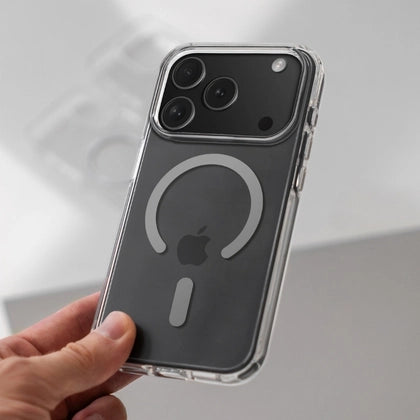
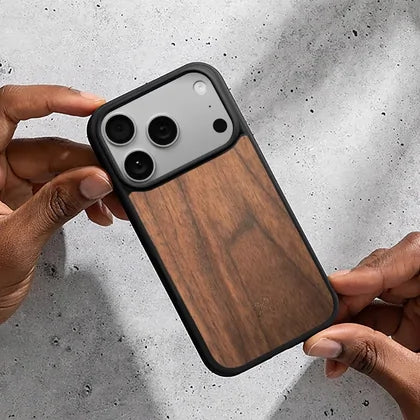
A new high-end smartphone deserves a perfect fit from day one. Because the camera system changes slightly due to the variable aperture mechanism, older Cases cases no longer fit. Just as with our iPhone 16 Pro Cases and iPhone 17 Pro Cases cases, custom-fit protection is once again available for the new lineup.

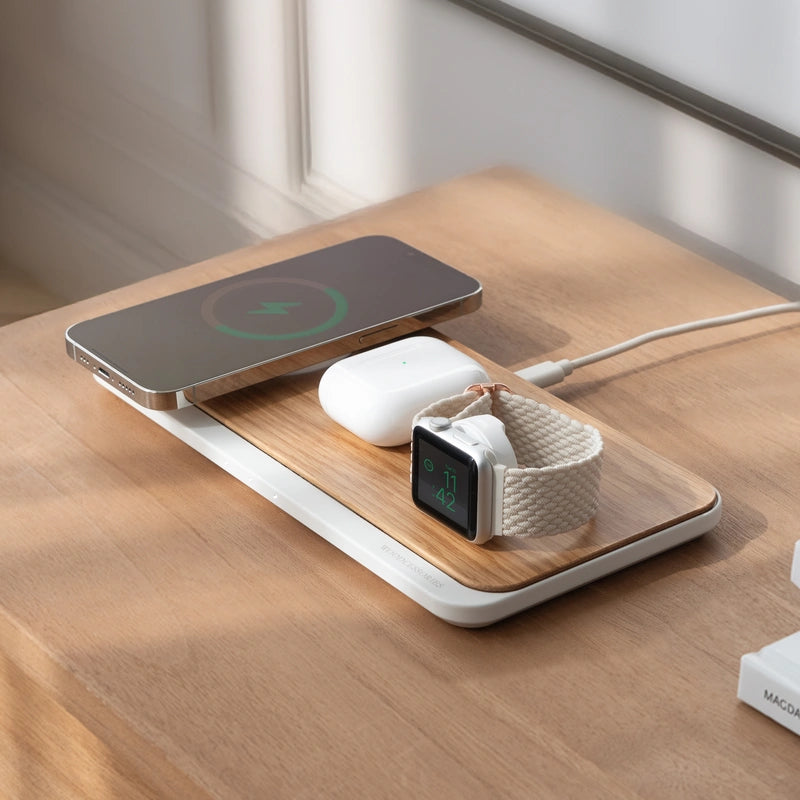
Our Bumper Cases, made from certified real wood and durable slate, combine genuine natural materials with reliable drop protection. Our "Cases ," crafted from sustainable plant-based leather, offer a sophisticated, understated feel, while the transparent "ClearCase " showcases the device’s original colors—including the new special edition color, Dark Cherry—in all their glory. All models are 100% MagSafe-compatible and pair perfectly with our Multibase charging station .